

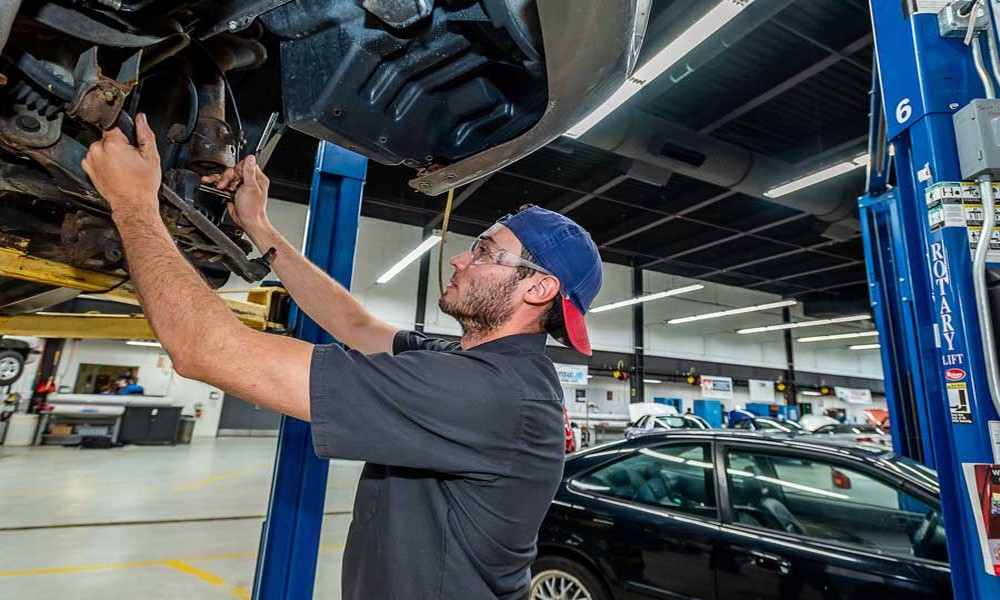
Driving a vehicle should be a pleasant experience. However, a strong scent of gasoline ruins the ride. This smell often points toward a specific component. The fuel filler neck connects the tank to the gas cap. Proper maintenance prevents these dangerous fumes from entering the cabin. G&D Automotive provides expert inspections for all fuel system components. Identifying the source of the leak is the first step. You must address the issue to keep your car safe.
Common Causes of Filler Neck Corrosion
Road salt often causes metal filler necks to rust. The moisture gets trapped against the metal surface over time. Now tiny pinholes start to form along the main pipe. These small holes allow fuel vapors to escape constantly. Sometimes the rust eats through the metal entirely. This creates a significant leak during the refueling process. The debris from the road makes the corrosion much worse. G&D Automotive technicians see this damage on many older vehicles. You should check the pipe for flaky orange scales.
Impact of Damaged Seals and Connectors
The filler neck uses rubber hoses for flexibility. These rubber sections connect the pipe to the fuel tank. But heat and age cause the rubber to crack. The seals eventually lose their ability to hold pressure. Now gas fumes leak out through these brittle gaps. You will likely smell gasoline while the car sits. The evaporation of fuel creates a persistent health hazard. G&D Automotive offers high quality replacements for these worn connectors. Professional installation ensures a tight fit for every hose.
Symptoms of a Failing Fuel System
A check engine light often signals a vapor leak. The computer detects a drop in the tank pressure. Sometimes the gas cap feels loose during the twist. You might see fuel dripping onto the pavement below. The puddle usually forms near the rear passenger wheel. This situation requires immediate attention from a qualified mechanic. Diesel Repair in Hillsboro, OR experts handle these complex fuel system diagnostics. The odor will get stronger as the hole grows. Do not ignore the smell of raw gasoline for long. A leaking filler neck wastes expensive fuel every single day. Your car performance might also suffer due to pressure loss.
Conclusion
Replacing the filler neck involves several technical steps. The mechanic must first drain the remaining fuel tank. Then the old pipe is disconnected from the frame. Sometimes the bolts are seized due to heavy rust. The technician carefully removes the old rubber hose sections. Now the new filler neck is positioned into place. You want a part that matches the original specifications. Proper alignment is crucial for a leak free seal. Testing the system for leaks happens after the install. New hardware ensures the part stays secure for years. A fresh filler neck restores the integrity of your car.